- Sign In
- |
- Sign Up
- |
- My Quote (0)
- |
- CART (0)

Flammable and toxic gas detection instruments are generally available in two different formats: portable (spot reading) detectors and fixed (permanently sited) monitors. Selecting which is most appropriate for a particular application depends on several factors. Including how often the area is accessed by personnel, site conditions, whether the hazard is permanent or transitory, how often testing is needed, and last but not least, the availability of finances.
We’ve teamed up with Honeywell BW to present you with essential information on portable gas detectors. Check out our webinar on this topic:

Compact and easy-to-use, these multi-gas detectors are ideally used in confined hazardous environments and can detect up to four gases. With an 18-hour battery run-time, these detectors also feature a one-button operation as well as a flashing green IntelliFlash light for compliance at a glance.


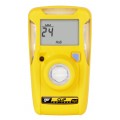
Engineered to high standards, this series of gas detectors is ahead of the game. No need for calibration, sensor replacement, battery replacement or charging means no need for downtime. Users can place their gas detector in a hibernation case when not using it for up to a week or more, extending the battery life by that period.



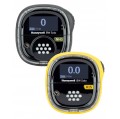
Lightweight and user-friendly, this single-gas detector series features an easy-to-service single-gas detector with BLE connectivity. With real-time visibility into the status and safety of hazardous-area workers, these detectors help companies respond faster, more knowingly, and decisively to safety incidents.


Reliable and easy to use, these single and multi-gas detectors can simultaneously monitor for up to four gases (model dependent), including O2, H2S, CO, and combustibles. In addition, these detectors feature an IP68 rating for unmatched water protection, giving workers the confidence that they will stand up to challenging conditions.